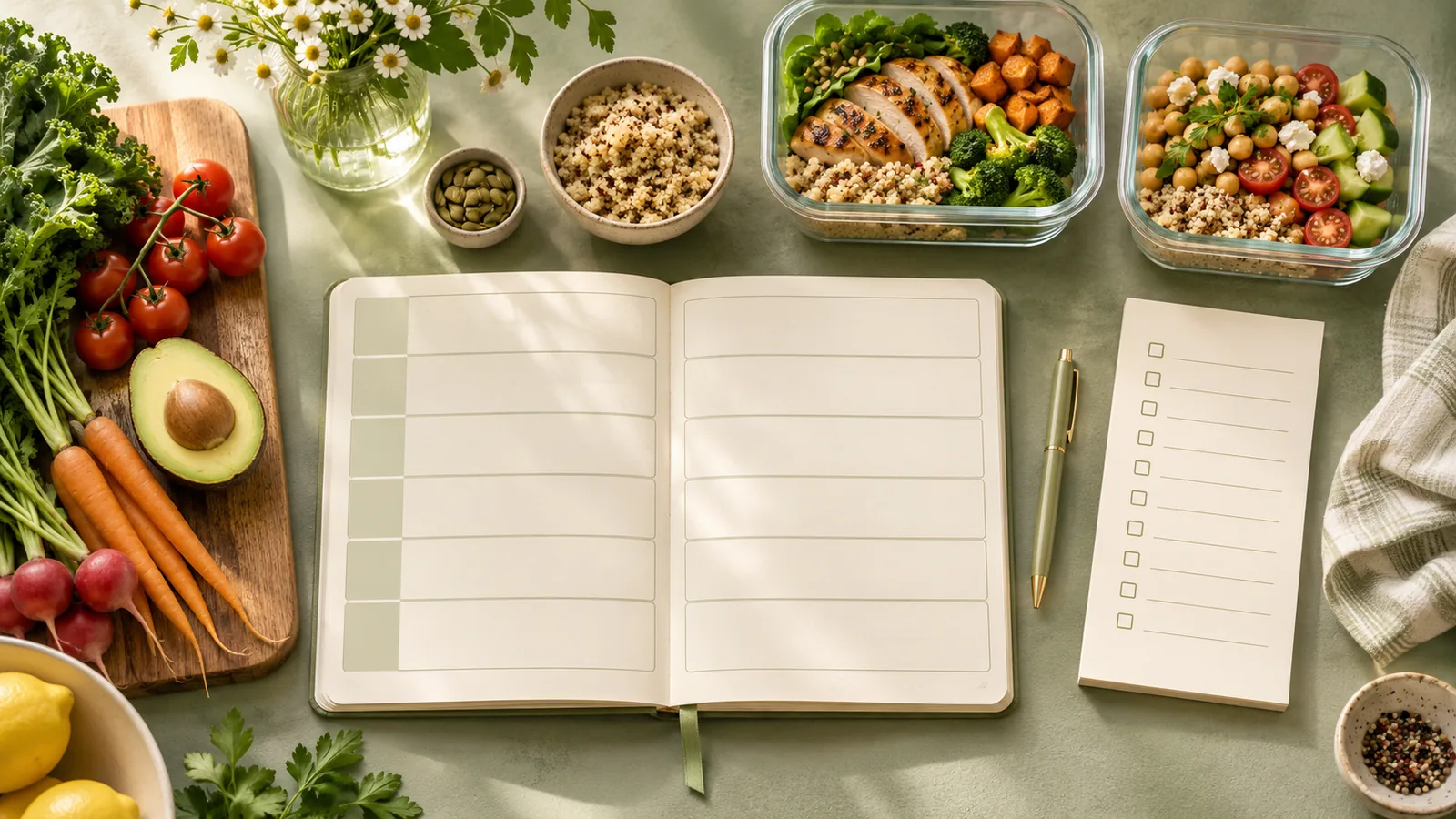
It is 6 p.m., you are tired, and dinner still has not been decided. The fridge has a few ingredients, but no obvious plan. That familiar last-minute scramble is exactly where a simple weekly routine can help. Learning how to make a weekly meal plan does not mean cooking every meal from scratch or following a strict menu. It means making a few useful decisions before the busy days arrive.
This guide shows how to plan around your calendar, current ingredients, and available time. It includes a flexible seven-day template, a shopping-list method, and tips for adapting the plan. This is general information, not personal nutrition or medical advice.
In short: check your week, take stock of your kitchen, choose a manageable set of meals, put them on a calendar, and buy only what is missing. Leave room for leftovers and unexpected plans.
Table of contents
- Why plan meals for the week?
- How to make a weekly meal plan in seven steps
- A flexible seven-day meal planning template
- How to keep the plan realistic
- Common meal-planning mistakes
- Frequently asked questions
Why plan meals for the week?
A plan reduces the number of small decisions you face on a busy evening. It can also connect your calendar to your shopping list, so you are less likely to buy ingredients for meals you will not have time to cook. Food Standards Scotland recommends considering busy days and checking what is already in the kitchen before making a list. The Food Standards Scotland meal-planning guide offers additional ideas.
Use a fridge note, paper calendar, or phone note—whichever meal helpers can update. Browse Guides & Recipes or learn about Diet Planner Pro.
How to make a weekly meal plan in seven steps
Use these steps as a repeatable routine, not a set of rules. When working out how to make a weekly meal plan, start with the decisions that remove the most stress. You do not need seven brand-new recipes; familiar meals and simple combinations are useful choices.
1. Check your calendar before choosing meals
To see how to make a weekly meal plan fit real life, write down the week’s fixed commitments: late workdays, school activities, appointments, travel, or evenings away from home. Mark limited-cooking days and choose the easiest meals for them.
Count cleanup and preparation too; that is part of how to make a weekly meal plan fit your energy.
2. Check the fridge, freezer, and pantry
Learning how to make a weekly meal plan starts with a quick kitchen inventory. Note open ingredients, food to use soon, freezer items, and cupboard staples. Check packaged labels and dates, and plan around the storage space you have.
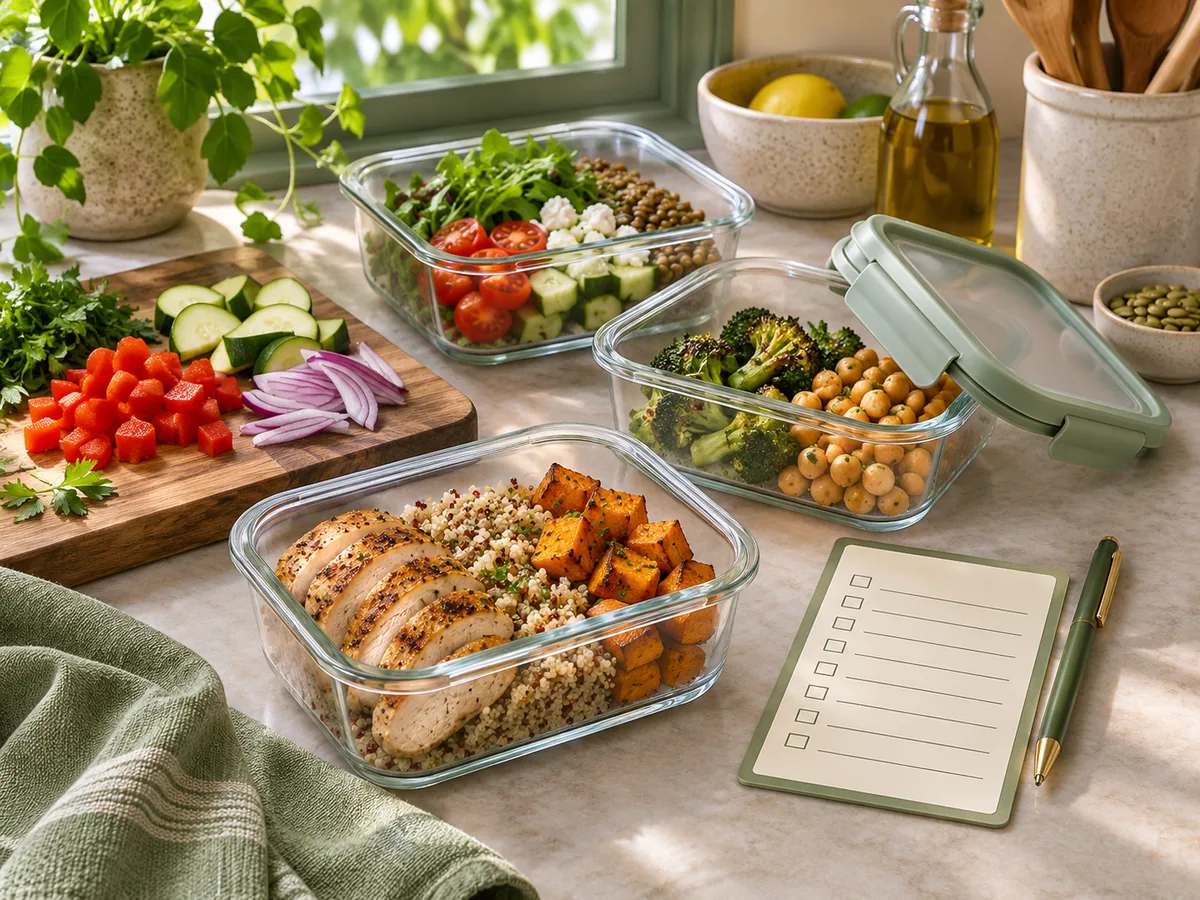
When deciding how to make a weekly meal plan, list ingredients you already have and name a meal for each. Use fresh items across meals and leave an open slot for leftovers or freezer food.
3. Choose a manageable number of meals
When learning how to make a weekly meal plan, choose meals to match the calendar, not to fill every box. Select a handful of dinners and repeat breakfasts or lunches you enjoy. Include quick, familiar, pantry-based, and leftover-friendly options.
A simple way to make a weekly meal plan work is to use larger-quantity ingredients in more than one meal. Vary the sauce or format so dishes still feel different.
4. Put meals on the days they fit
To see how to make a weekly meal plan fit your week, add meals to the days that suit them. Put quick dishes on late evenings, use fresh ingredients earlier, and save involved cooking for a day with time. Mark movable meals as flexible.
A good rule for how to make a weekly meal plan is to add only useful reminders, such as “pack lunch” or “check label.” Keep the calendar easy to scan.
5. Turn the menu into a grocery list
Part of how to make a weekly meal plan is to list each meal’s ingredients, compare them with your inventory, and remove what you have. Check amounts for the people eating and group remaining items by store section if useful.
As you learn how to make a weekly meal plan, buy for the menu you wrote while leaving room for substitutions. A different vegetable or pantry staple may work if an item is unavailable. The University of Minnesota Extension’s meal-planning guide also recommends thinking, planning, and shopping around food on hand and adjusting the plan when family schedules change.
6. Make one small preparation choice
A useful step in how to make a weekly meal plan is to choose one or two tasks, such as washing produce or setting out ingredients. You do not need to cook the week ahead. Follow labels and official food-safety advice for prepared food.

When choosing how to make a weekly meal plan easier to follow, keep prep modest and repeatable. A small setup that helps tomorrow may suit you better than a long cooking session.
7. Leave a flexible slot and review the week
Reserve at least one meal slot for leftovers, a quick backup, or a change of plans. This keeps the calendar from feeling like a promise you have to keep at any cost. If you switch meals, move the ingredients on the calendar too, especially anything fresh or already thawed.
At week’s end, keep meals people liked, drop recipes that took too much effort, and note missing staples. This builds a useful list of go-to meals.
A flexible seven-day meal planning template
Use this sample as a starting framework, then replace the ideas with meals your household likes. It is intentionally flexible: it gives each day a direction without prescribing a specific recipe or diet.
| Day | Dinner idea | Lunch idea | Planning note |
|---|---|---|---|
| Monday | Quick pasta with vegetables | Leftovers or a simple wrap | Check the evening schedule first. |
| Tuesday | Tray-bake or one-pan meal | Soup, salad, or a sandwich | Use ingredients already at home. |
| Wednesday | Beans, rice, or another pantry meal | Leftovers if available | Keep this as a flexible night. |
| Thursday | A favourite family meal | Fruit, yoghurt, or a quick lunch | Choose a meal that fits your time. |
| Friday | Easy freezer or ready meal option | Leftovers or a no-cook lunch | Leave space for plans changing. |
| Saturday | Cook a recipe you enjoy | Use spare ingredients | Make extra only if you will use it. |
| Sunday | Simple meal and light prep | Plan next week’s lunches | Review what worked before shopping. |
Start with dinners, add lunch ideas when useful, and repeat an easy breakfast if that helps. See the University of Minnesota Extension’s Think, Plan, Shop approach.
How to keep the plan realistic
Pick a regular planning time and keep the first version simple. Ask household members for a few meal ideas so the plan reflects what people will eat.
For general food-planning resources, see the US Department of Agriculture’s MyPlate Plan. If you have a medical need or prescribed diet, follow advice from a qualified healthcare professional.
A maintainable plan can include convenience foods, familiar meals, and shortcuts that suit your schedule. Read our editorial policy and health disclaimer.
Common meal-planning mistakes
- Planning too many new recipes: Start with familiar meals and add one new idea when you have time.
- Ignoring the calendar: Match the cooking effort to the actual day, including evenings away from home.
- Shopping before checking supplies: Take inventory first so the list reflects what you need.
- Filling every meal slot: Leave room for leftovers, plans changing, and quick meals.
- Forgetting preparation and storage: Consider the time, equipment, fridge space, package labels, and official food-safety advice.
Frequently asked questions
How long does it take to make a weekly meal plan?
The first plan may take longer because you are collecting favourite meals and learning what your household needs. Keep the first version small: check your schedule, choose a few dinners, and make the shopping list. Reusing a simple template can make later planning quicker.
Do I need to plan breakfast, lunch, and dinner for all seven days?
No. Start with the meals that cause the most weekday stress, often dinners. Add breakfasts and lunches only if planning them would help. Leave meals flexible when you expect to eat out, use leftovers, or make a quick meal from food already at home.
How can I meal plan when my schedule changes?
Plan around fixed commitments, then leave one or two open slots. Choose meals that can move to another day and keep a simple backup meal in the pantry or freezer. Update the calendar when plans change instead of treating the original menu as a rule.
How do I make a grocery list from a meal plan?
Write down the ingredients needed for each chosen meal, then check your refrigerator, freezer, and cupboards. Cross off what you already have and group the rest by store section if that helps you shop. Check package labels and local food-safety guidance when storing prepared food.
Can a weekly meal plan help reduce food waste?
It can help you notice ingredients that need using and plan meals around them. Choose recipes that share a few ingredients, schedule the most perishable items earlier, and include a flexible leftovers meal. Buy only the amounts you expect to use or can store safely.
Conclusion
A useful weekly plan starts with your real schedule and the food already at home. Choose meals that fit your time, write a focused grocery list, prepare only what helps, and leave room for a change of plans. That simple routine is how to make a weekly meal plan easier to follow week after week. Start with a few dinners, see what works, and adjust the next plan around your own household.
Further reading
- Food Standards Scotland: Meal planning
- University of Minnesota Extension: Meal planning
- USDA MyPlate Plan
Editorial note: This article provides general meal-organisation ideas. It does not replace personalised nutrition advice or medical care. Follow food labels and official food-safety guidance when preparing and storing food.